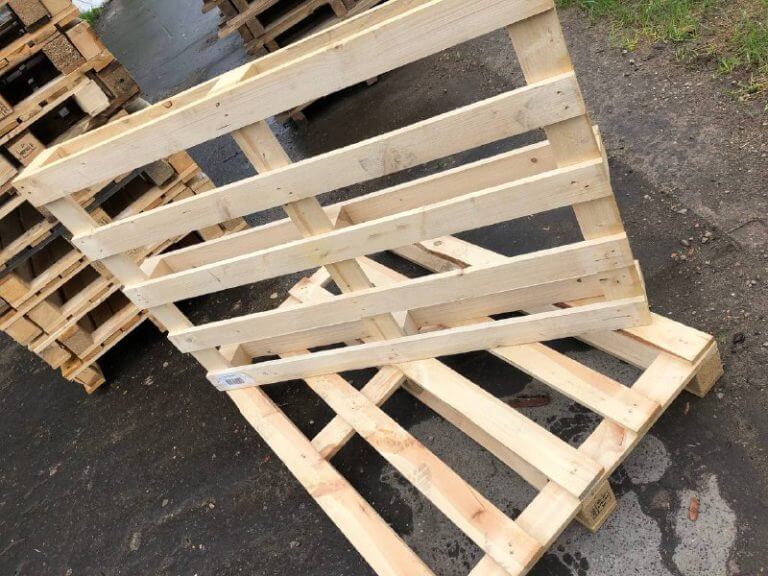
20 Trailblazers Leading The Way In Wooden Pallets For Shipping
The Role of Wooden Pallets in Shipping: An Informative Guide
On the planet of logistics and shipping, wooden pallets play an essential function. As a staple in the supply chain, these versatile platforms work as the backbone for transferring products throughout diverse distances and conditions. This post dives deep into the significance of wooden pallets for shipping, explores their advantages and disadvantages, provides necessary care tips, and answers regularly asked concerns (FAQs).
Comprehending Wooden Pallets
Wooden pallets are flat structures made from wood that are developed to support goods during transportation and storage. They allow for simple handling by means of forklifts or pallet jacks, making the motion of goods more efficient. They are commonly used in different markets, consisting of farming, manufacturing, and retail.
Kinds Of Wooden Pallets
When discussing wooden pallets, it's important to comprehend the types readily available. Below is a table summing up the typical kinds of wooden pallets used in shipping:
Type of Wooden Pallet
Description
Common Uses
Block Pallets
Have both a top and bottom deck with blocks in the corners.
Sturdy applications, consistent support.
Stringer Pallets
Make use of 3 parallel pieces of wood (stringers) between the top and bottom decks.
Requirement shipping and storage.
Double-Face Pallets
Function decks on both sides, permitting usage on either side.
Flexible shipping, can be flipped.
Custom-made Pallets
Created specifically for unique items or sizes.
Specialized shipping requirements.
Benefits of Wooden Pallets for Shipping
Using wooden pallets for shipping provides numerous advantages, which consist of:
Cost-Effective: Wooden pallets are typically more affordable than their plastic or metal equivalents, making them a budget-friendly choice for services.
Sustainability: Made from renewable resources, wooden pallets can be recycled, repaired, or repurposed, adding to a circular economy.
Strength and Durability: Wooden pallets are robust and can support heavy loads, making them suitable for numerous shipping needs.
Relieve of Use: They can be easily raised by forklifts or pallet jacks, helping with efficient filling and dumping processes.
Customizability: Wooden pallets can be tailored to satisfy specific shipping requirements, whether through size, style, or finish.
Drawbacks of Wooden Pallets for Shipping
While there are lots of benefits, wooden pallets likewise feature prospective drawbacks:
Weight: Wooden pallets are usually much heavier than plastic pallets, which can impact shipping expenses and managing.
Insect and Fungi Infestation: If not treated correctly, wooden pallets can harbor pests or fungis, possibly infecting items.
Limited Lifespan: Unlike plastic pallets, which last longer, wooden pallets might need more frequent replacements due to use and tear.
Wetness Absorption: Wood can absorb moisture, leading to mold or rotting, particularly in damp conditions.
Maintenance and Care Tips for Wooden Pallets
To ensure the longevity and effectiveness of wooden pallets in shipping, consider the following upkeep and care pointers:
Regular Inspections: Check pallets for damage, consisting of fractures or extending nails, and get rid of any that do not fulfill security requirements.
Keep Dry: Store wooden pallets in a dry location to prevent moisture absorption and possible mold development.
Usage Treated Pallets: Opt for heat-treated or chemically dealt with pallets to decrease the threat of pest infestations.
Stack Properly: Store pallets in a steady stack to avoid tipping and damage when not in use.
Table: Maintenance Checklist for Wooden Pallets
Maintenance Task
Frequency
Description
Visual Inspection
Before usage
Try to find fractures, splinters, and loose parts.
Cleaning
As required
Get rid of dirt, particles, and any impurities from surface areas.
Drying
After usage
Ensure pallets are dry before storage, particularly after exposure to wetness.
Treatment Checks
Each year
Make sure pallets are dealt with for pest control and damage prevention.
Regularly Asked Questions (FAQs)
1. Are click here for shipping foodstuff?
Yes, wooden pallets can be safe for shipping foodstuff if they are effectively dealt with and kept. Heat-treated pallets are typically used for food safety as they minimize the threat of bug contamination.
2. How long do wooden pallets normally last?
The life-span of a wooden pallet can differ commonly, generally ranging from a couple of months to numerous years depending upon usage, maintenance, and environmental conditions.
3. Can wooden pallets be recycled?
Absolutely! Wooden pallets can be recycled, repurposed, or fixed. Lots of companies focus on recycling wooden pallets, turning them into mulch, composite wood items, or new pallets.
4. What is the optimum weight a standard wooden pallet can hold?
A basic wooden pallet can typically hold between 1,500 to 2,500 pounds, though this can vary based upon the style and materials used.
5. How do I choose the ideal pallet for my shipping needs?
Think about aspects such as load weight, type of items, shipping distance, and environmental conditions. Consulting with a shipping professional can likewise help you pick the most suitable pallet.
Wooden pallets are an important element of the shipping and logistics industry. Their cost-effectiveness, strength, and sustainability make them a favored option for numerous services. By comprehending their benefits and drawbacks, along with how to maintain them successfully, business can ensure they get the most out of their wooden pallets in shipping operations. Appropriately using these platforms can cause smoother logistics, lower costs, and a more sustainable approach to shipping.